Dress Shopping
Wedding Dress Consignment & Pre-Owned Gowns: A Buyer's Guide
How to shop Stillwhite, Nearly Newlywed, and consignment boutiques for a designer gown at 50–70% off — and what to inspect, budget for alterations, and know about sustainability before you buy.
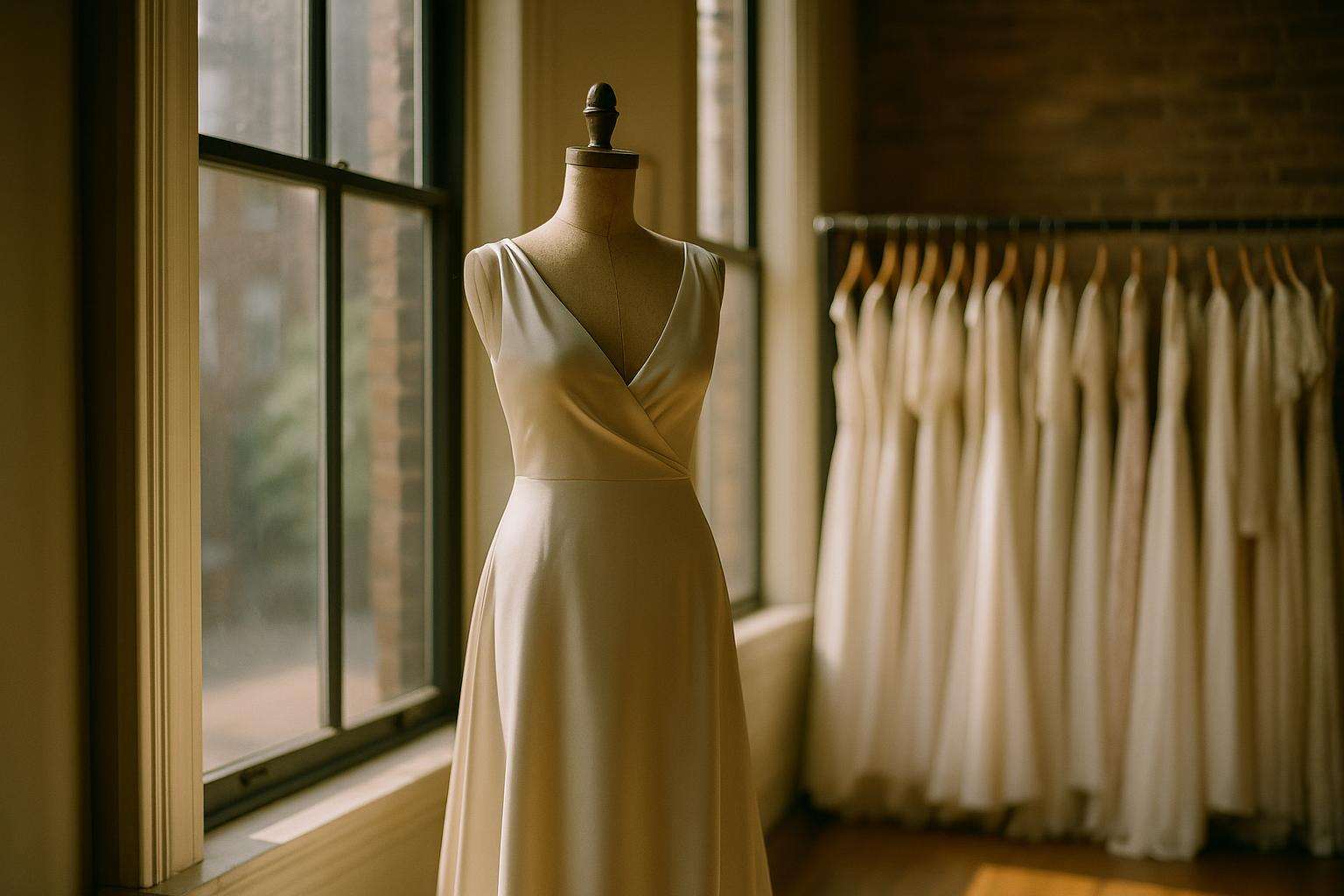
The pre-owned wedding dress market spans more than 100,000 active listings, with savings of 50–70% off retail on designer gowns from Vera Wang, Pronovias, Maggie Sottero, and more. Platforms like Stillwhite, Nearly Newlywed, and Kleinfeld Again offer different levels of authentication and service; a rigorous inspection and a realistic alteration budget (typically $350–$650 for a standard fit package) are the two non-negotiables that separate a great consignment purchase from a costly mistake.
Why Are So Many Brides Choosing Pre-Owned Wedding Dresses in 2026?
The numbers make the case plainly. The average new wedding dress in the United States costs approximately $2,100, according to The Knot's 2026 Real Weddings Study, which surveyed more than 10,000 couples married in 2025. Add professional alterations, cleaning, and preservation, and the total gown spend regularly reaches $3,000–$3,500. Against that backdrop, the pre-owned market — where designer gowns once priced at $3,000–$5,000 routinely list for $800–$1,500 — is no longer a compromise. It is a strategy.
Sustainability is a secondary, but increasingly important, force reshaping how brides shop. Nearly one-third of U.S. clothing purchases in 2024 were secondhand, according to The RealReal's 2025 Resale Report, and bridal is tracking the same cultural shift. A wedding gown worn once and then stored in a box represents a significant material and carbon investment; redirecting that gown to a second wearer is one of the most impactful single-item choices a bride can make from an environmental standpoint.
The result is a market that is maturing rapidly: dedicated authentication services, try-on programs, and structured refund windows have removed much of the uncertainty that once made secondhand bridal shopping feel risky.
Which Pre-Owned Wedding Dress Platform Is Right for You?
The three dominant online channels each serve a distinct buyer profile. Understanding their differences before you search is the fastest way to find the right gown at the right price.
Stillwhite
Founded in 2010 and headquartered in Los Angeles, Stillwhite is the largest peer-to-peer bridal resale marketplace in the world, with over 102,000 active listings spanning 116 countries. The model is seller-direct: a standard listing costs $25 (four photos) or $35 for a premium slot (up to eight photos plus video), and Stillwhite charges no commission on the sale itself. Buyers communicate through the platform's secure messaging system, pay via PayPal, and receive a four-day post-receipt inspection window with full refunds if the dress does not match its listing description.
The breadth of inventory is Stillwhite's primary advantage — it is the single largest pool of pre-owned gowns available anywhere. The trade-off is that Stillwhite does not authenticate gowns before listing; the verification responsibility sits with the buyer. Use the inspection checklist below every time.
Best for: Budget-conscious shoppers comfortable with peer-to-peer negotiation and international buyers seeking volume and choice.
Nearly Newlywed (PreOwnedWeddingDresses.com)
The oldest dedicated bridal-resale platform, originally launched in 2004 as PreOwnedWeddingDresses.com and now operating under the Nearly Newlywed brand, has overseen more than 40,000 completed sales. Each listing receives an average of 2,000+ views, and the average sell time runs roughly 70 days. The flat seller fee matches Stillwhite at $25 per listing, but Nearly Newlywed's service model is meaningfully different: the platform manages all buyer communication and shipping logistics on the seller's behalf, and every gown passes a structured authentication review before going live. Sellers retain 70–80% of the purchase price depending on listing tier.
Gowns under two years old in excellent condition typically sell for around 50% of original retail; pieces by Oscar de la Renta and Vera Wang can command closer to 60%. Professionally cleaned gowns sell twice as quickly and attract stronger offers — a useful data point if you are selling rather than buying.
Best for: Sellers who want a hands-off process; buyers who value platform-managed authentication and structured logistics.
Kleinfeld Again
Kleinfeld Bridal — the New York City flagship at 110 W 20th Street, known globally from TLC's Say Yes to the Dress — launched KleinfeldAgain.com in June 2024 as an authenticated resale extension of its main business. Every listing undergoes a recorded inspection by Kleinfeld's in-house bridal specialists before going live, and gowns are listed at 30–70% off original retail. A white-glove Diamond Package ($199.95 flat fee plus $20/month storage) covers listing creation, buyer communications, and offer management for sellers who want full hands-off service.
Kleinfeld Again's distinctive feature is its Try-On Program: in-person appointments are available at the NYC flagship or at partner boutique Lola Dre in Jupiter, Florida, letting buyers handle a gown before committing — a genuine rarity in secondhand bridal. Semi-annual sample sales (most recently March 2025) add further in-person buying opportunities.
Best for: Buyers who want to try on before buying; designer-gown buyers seeking authenticated pieces with in-store support.
Local Consignment Boutiques and The RealReal
Physical consignment boutiques offer the immediacy of trying on a dress the same day, with no shipping risk. Regional examples include Hand-Me-Gowns Bridal in Hammonton, New Jersey, which carries 700+ off-the-rack gowns from designers including Allure Bridal, Martina Liana, Essense of Australia, Maggie Sottero, Justin Alexander, Pronovias, and Amsale Nouvelle, with average selling prices below $2,000 and in-house alterations available. Like-new gowns at local boutiques typically start at 30% below retail; once-worn pieces start at 40% off.
For luxury resale with professional authentication and a physical presence, The RealReal (multiple U.S. locations; also online) carries designer bridal gowns — including Vera Wang, Alexander McQueen, Pronovias, and Marchesa — with every item verified by in-house specialists using proprietary AI tools against a dataset of 37 million authenticated items.
Which Platform Offers the Best Protection for Buyers?
| Platform | Authentication | Try-On Option | Refund Window | Typical Savings vs. Retail | Best For |
|---|---|---|---|---|---|
| Stillwhite | None (buyer verifies) | No | 4 days post-receipt | 50–70% | Volume, international buyers |
| Nearly Newlywed | Structured pre-listing review | No | Platform-managed dispute | ~50% (designer up to 60%) | Hands-off sellers; confident buyers |
| Kleinfeld Again | In-house specialist inspection | Yes (NYC + Lola Dre, FL) | Per sale agreement | 30–70% | Designer buyers; try-before-buy |
| The RealReal | AI-assisted + specialist (37M item dataset) | Yes (select locations) | Standard return policy | Varies by designer | Luxury brands; maximum confidence |
| Local consignment boutiques | Varies by shop | Yes (same-day) | Varies by shop | 30–40%+ | Local buyers; no shipping risk |
What Should You Inspect Before Buying a Pre-Owned Wedding Dress?
Whether you are buying online from a Stillwhite listing or trying a gown at a consignment boutique, apply this evaluation sequence before committing. Skipping it is the single most common source of expensive regret in pre-owned bridal shopping.
Fabric and construction: Hold the gown to natural light and check for overall discoloration — yellowing on ivory or white satin signals improper storage and may be permanent. Run fingers along all seams; puckering, fraying, or raw edges indicate poor alteration work or low-quality construction. On embellished gowns, weight matters: a genuinely beaded or crystal-encrusted gown should feel noticeably heavy.
High-stress zones: Inspect underarms, side seams, and the hem for stress tears and staining. Set perspiration stains may be permanent. Check the zipper or corset closure carefully; replacing a broken zipper with a corset typically costs $100–$280.
Embellishments: Count loose beads and broken lace motifs. Minor beading repair runs $30–$40/hour — manageable for a handful of fixes, costly if widespread. Loose threads alone are not a disqualifier.
Prior alterations: Ask the seller exactly what was altered. A gown reduced significantly in size may have limited seam allowance remaining; further taking-in may not be structurally feasible. Request the original designer-tag measurements and the current as-altered measurements before buying.
Cleaning status: Confirm the gown has been professionally dry-cleaned. On Nearly Newlywed, professionally cleaned gowns sell twice as quickly — a reliable proxy for buyer preference and gown condition.
How Much Do Alterations Cost on a Secondhand Wedding Dress?
Budget 10–20% of the gown's purchase price as a baseline for alterations. Here is a realistic breakdown of the most common work required on a secondhand purchase, sourced from bridal alteration data compiled by The Knot:
| Alteration Type | Typical Cost Range |
|---|---|
| Hem — simple satin | $70–$150 |
| Hem — lace or multilayer | $200–$400 |
| Bustle (1–3 points) | $10–$60 |
| Bustle (5–10 points) | $50–$200 |
| Take in side seams | $50–$200 |
| Neckline reshaping | $40–$100 |
| Add or adjust straps | $20–$80 |
| Replace zipper with corset | $100–$280 |
| Beading repair | $30–$40 per hour |
| Add sleeves | $200–$400 |
For a typical secondhand gown purchased at $800–$1,200 with a standard fit package — hem, bustle, and one seam take-in — budget $350–$650 in alterations. The all-in cost then lands between approximately $1,150 and $1,850: still well below the $2,100 retail average for a new gown. One important note: rush fees, which apply when alterations begin within four weeks of the wedding, can inflate costs by 25–50%. Schedule your first alteration fitting two to three months before the wedding date to avoid them.
Is Buying a Pre-Owned Wedding Dress Better for the Environment?
The answer, practically, is yes. A wedding gown is one of the most resource-intensive garments produced: heavyweight silk charmeuse, duchess satin, and hand-applied lace are water- and labor-intensive to manufacture, and a dress worn once and boxed for decades represents a poor lifecycle return on that investment. Redirecting a gown to a second wearer avoids the emissions and resource consumption of producing an entirely new garment.
The broader resale market supports this: according to The RealReal's 2025 Resale Report, nearly one-third of all U.S. clothing purchases in 2024 were secondhand, a trend that bridal is actively joining. Pre-owned is increasingly the considered choice, not a fallback — and the growing quality and authentication standards of platforms like Nearly Newlywed, Kleinfeld Again, and The RealReal have made it a fully credible one.
If sustainability is a meaningful factor in your decision, look for gowns made from natural fibers (silk, wool, cotton lace) over synthetic alternatives, and factor in local sourcing: a gown purchased from a nearby consignment boutique like Hand-Me-Gowns Bridal in New Jersey, or tried on at Kleinfeld Again's NYC flagship, also reduces the shipping footprint compared to an international peer-to-peer transaction.
Considered Counsel
Frequently asked
How much can I save buying a pre-owned wedding dress?
Savings on pre-owned wedding dresses typically run 50–70% off the original retail price. The average new wedding gown in the U.S. costs approximately $2,100 according to The Knot's 2026 Real Weddings Study. On platforms like Stillwhite, designer gowns originally priced at $3,000–$5,000 routinely list for $800–$1,500. Even after budgeting $350–$650 in typical alterations (hem, bustle, one seam take-in), your all-in cost for a consignment gown often lands between $1,150 and $1,850 — well below the retail average for a brand-new dress.
Is it safe to buy a pre-owned wedding dress on Stillwhite?
Stillwhite is the largest peer-to-peer bridal resale marketplace, with over 102,000 active listings across 116 countries. It provides a 4-day post-receipt inspection window with full refunds if the gown does not match its description, and buyer-seller communication runs through Stillwhite's secure messaging system. As with any peer-to-peer platform, the authentication burden sits with the buyer — Stillwhite does not verify gowns before listing, unlike Kleinfeld Again or Nearly Newlywed. Review the seller's listing photos carefully, request additional images of seams and labels, and use the inspection checklist in this guide before committing.
What is the difference between Stillwhite, Nearly Newlywed, and Kleinfeld Again?
The three platforms serve distinct needs. Stillwhite is the largest global peer-to-peer marketplace (100,000+ listings, flat $25–$35 listing fee, no commission, 116 countries) — best for budget buyers comfortable negotiating directly with sellers. Nearly Newlywed (operating from PreOwnedWeddingDresses.com, founded 2004) manages all buyer communication and shipping on the seller's behalf and runs a structured authentication review before listing — best for hands-off sellers and buyers who want extra confidence. Kleinfeld Again, launched June 2024 by Kleinfeld Bridal, has every gown inspected by in-house bridal specialists, offers in-person try-on appointments at the NYC flagship or partner boutique Lola Dre in Jupiter, Florida, and lists gowns at 30–70% off retail — best for buyers who want to try before buying.
How do I know if a used designer wedding dress is authentic?
Start with the label: examine the font, material, and stitching; misspellings or inconsistent typefaces are an immediate red flag, and a gown labeled 100% polyester cannot be from a Vera Wang couture collection. Cross-reference embellishment details, lace patterns, and silhouettes against the designer's published lookbook images — discrepancies in a Pronovias lace pattern or a Vera Wang drape are verifiable. Send photographs (including the label) directly to the brand's customer service; Vera Wang and Pronovias both respond to authenticity inquiries. As a price check: a Vera Wang gown that retailed at $8,000–$8,500 should resell at roughly $3,400–$5,000 in excellent condition — prices well below that for a purported designer piece are a scam signal.
How much do alterations cost on a secondhand wedding dress?
Budget 10–20% of the gown's purchase price as a baseline for alterations. Common costs: a simple satin hem runs $70–$150; lace or multilayer hems $200–$400; a bustle $10–$200 depending on complexity; taking in side seams $50–$200; replacing a zipper with a corset $100–$280; adding sleeves $200–$400; beading repair $30–$40 per hour. For a typical consignment gown purchased at $800–$1,200 with a standard fit package (hem, bustle, one seam adjustment), budget $350–$650 in alterations. Rush fees — starting alterations within four weeks of the wedding — can add 25–50% to these figures, so schedule your first fitting two to three months before the wedding date.
What should I inspect when buying a used wedding dress?
Hold the gown up to natural light and check for fabric discoloration, particularly yellowing on ivory or white satin, which signals improper storage. Run fingers along all seams for puckering, fraying, or raw edges. Check underarms, side seams, and the hem for stress tears and set staining — perspiration stains that have set may be permanent. Examine the zipper or corset closure for damage. Count loose beads or broken lace motifs; widespread beading loss adds meaningful alteration cost. Ask the seller for specifics on prior alterations — a gown reduced dramatically in size may have limited seam allowance remaining for further adjustment. Always request the original tag measurements plus the current as-altered measurements before buying.