Best Wedding Hairstyles by Hair Type & Length (2026)
A ranked styling edit organized by hair length and texture — each with veil-placement notes, product picks, and the honest tradeoffs every bride should know before the trial.
Your complete guide to the gown — and the woman wearing it.
Hair, makeup, skin and scent that still look like you.
The most beautiful brides look, unmistakably, like themselves on a very good day. That is our north star here: hair and makeup that photograph well and last through the dancing without ever masking the woman wearing them. We cover the skincare runway that begins months out, the hair and makeup trial and how to direct it, choosing between an updo and worn-down, the foundation that survives heat and tears, the scent that becomes a memory, and a realistic morning-of timeline. Refined, never overdone — beauty in the old register, where less is the luxury.
A ranked styling edit organized by hair length and texture — each with veil-placement notes, product picks, and the honest tradeoffs every bride should know before the trial.
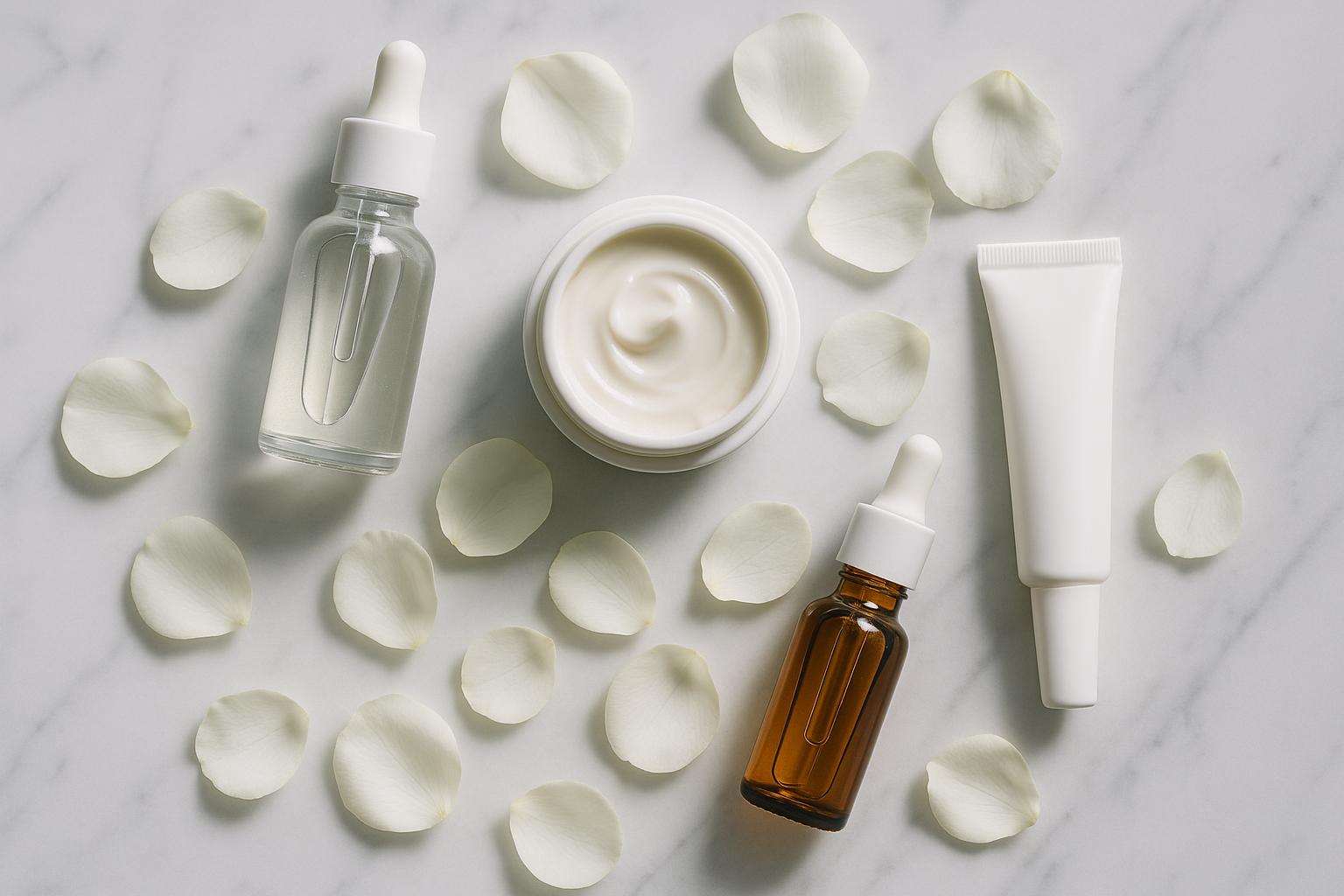
A dermatologist-grounded, ranked product edit by skin concern — mapped onto the 12-month pre-wedding countdown. From SkinCeuticals C E Ferulic at 12 months out to Neutrogena Hydro Boost in the final week, here is exactly what to use, when, and why.
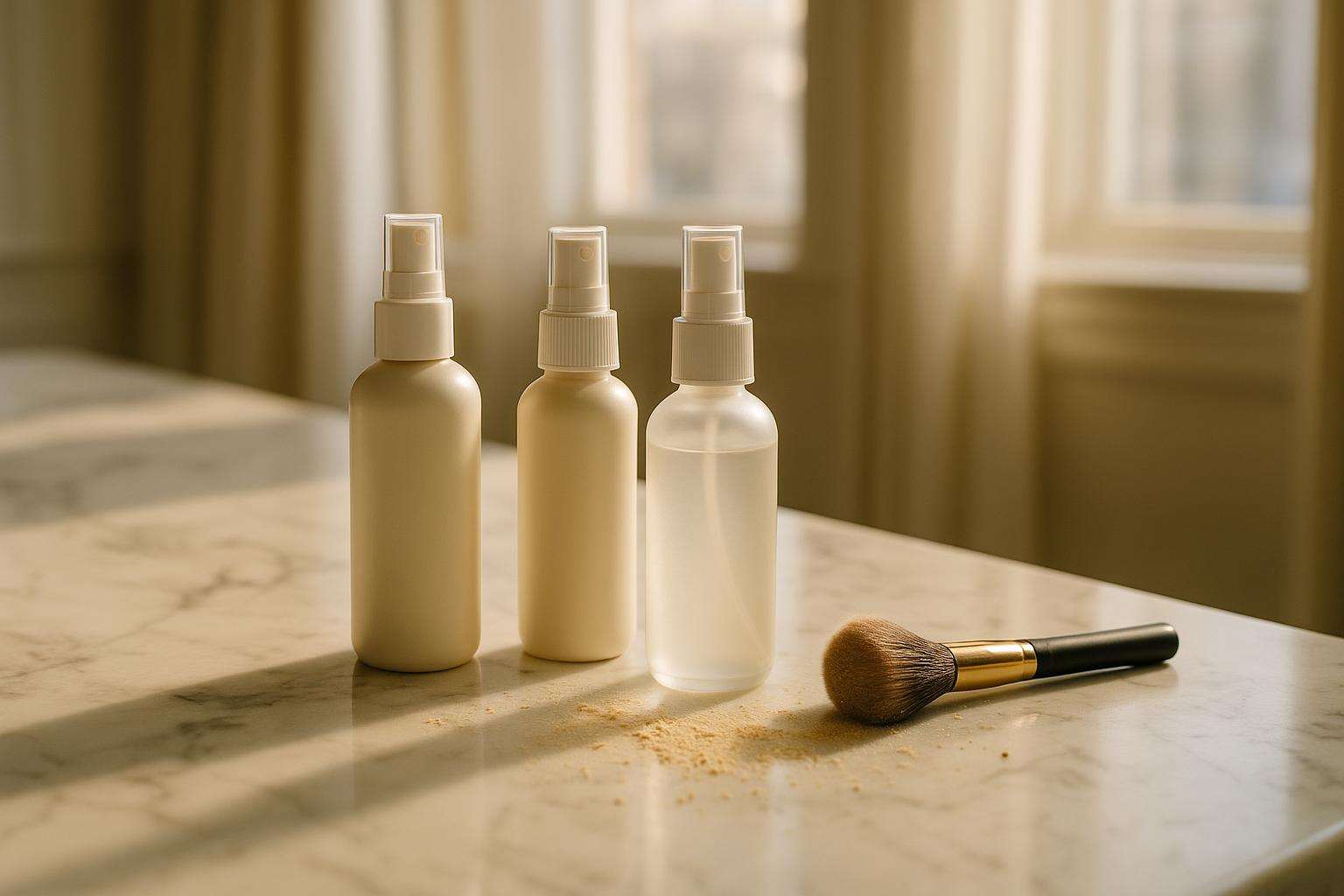
Ranked by hold, finish, and skin type — a product edit covering Urban Decay, MAC, Morphe, and the sprays that keep bridal makeup intact from ceremony to last dance.
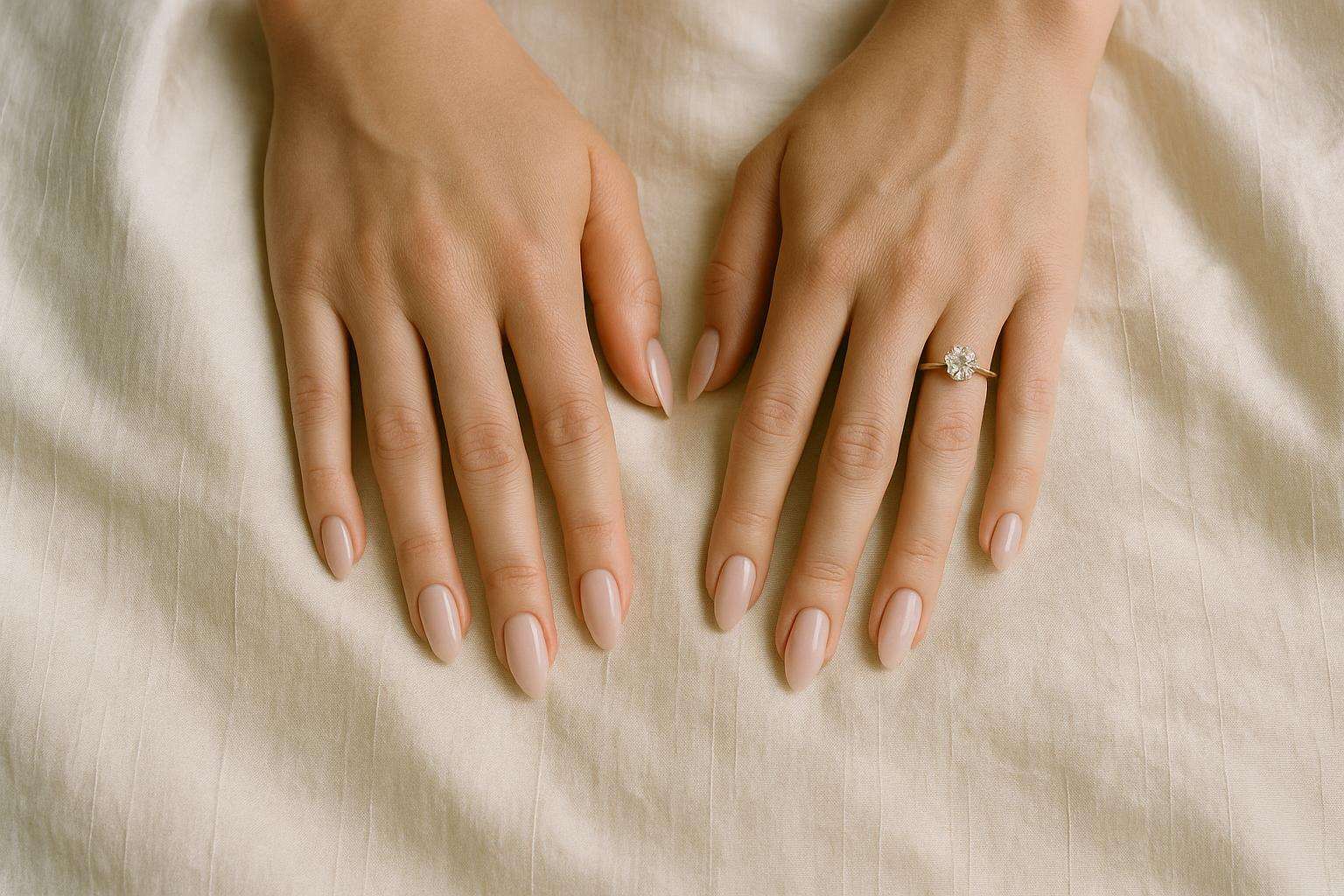
Gel vs. acrylic vs. natural, the shapes that flatter a ring shot, colors from classic white to pearl chrome, and exactly when to book your bridal manicure.
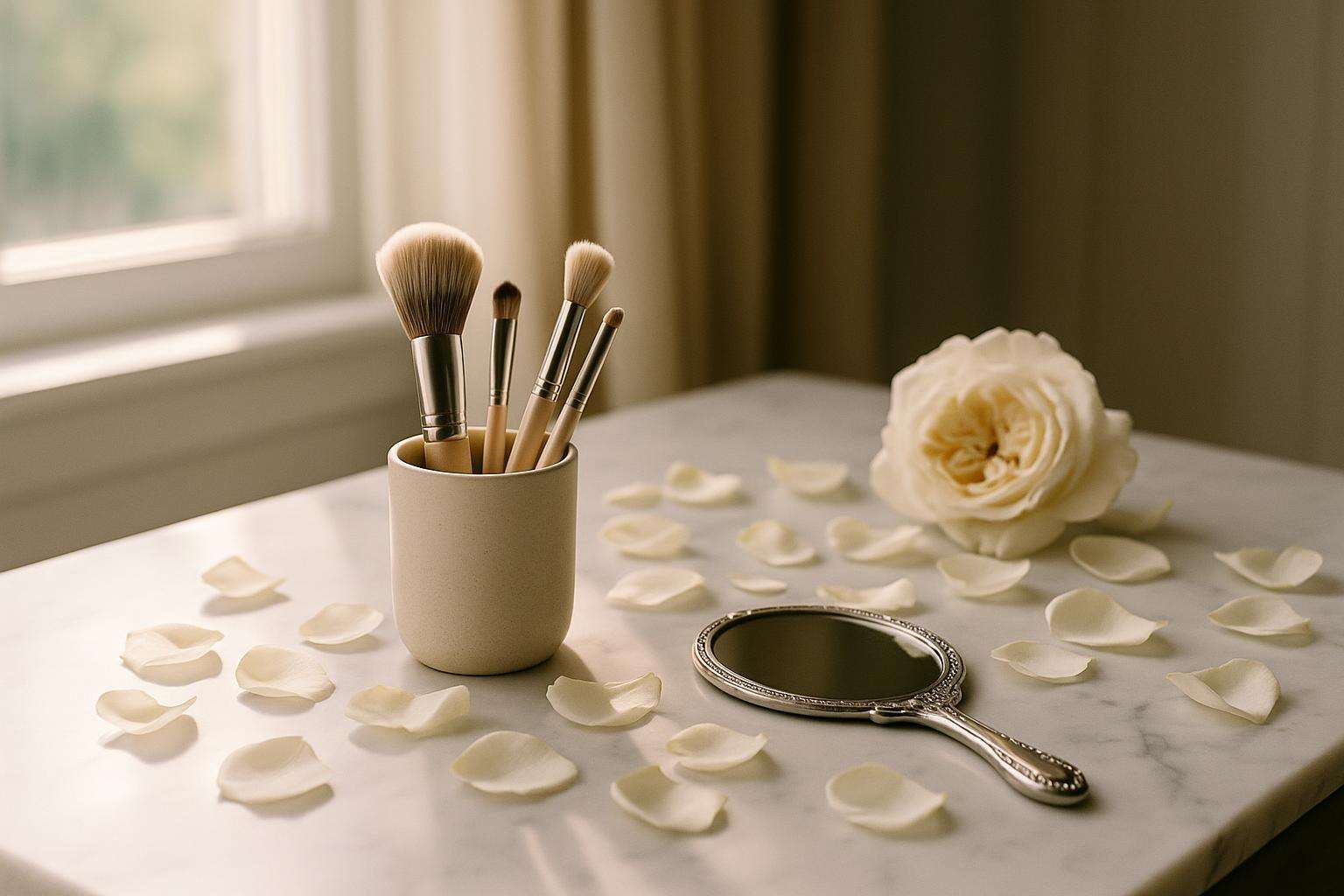
The 1-to-3-month booking window, what to bring, how to run the longevity test, and exactly what happens when you walk out of the appointment — including whether the trial fee applies to your wedding-day total.
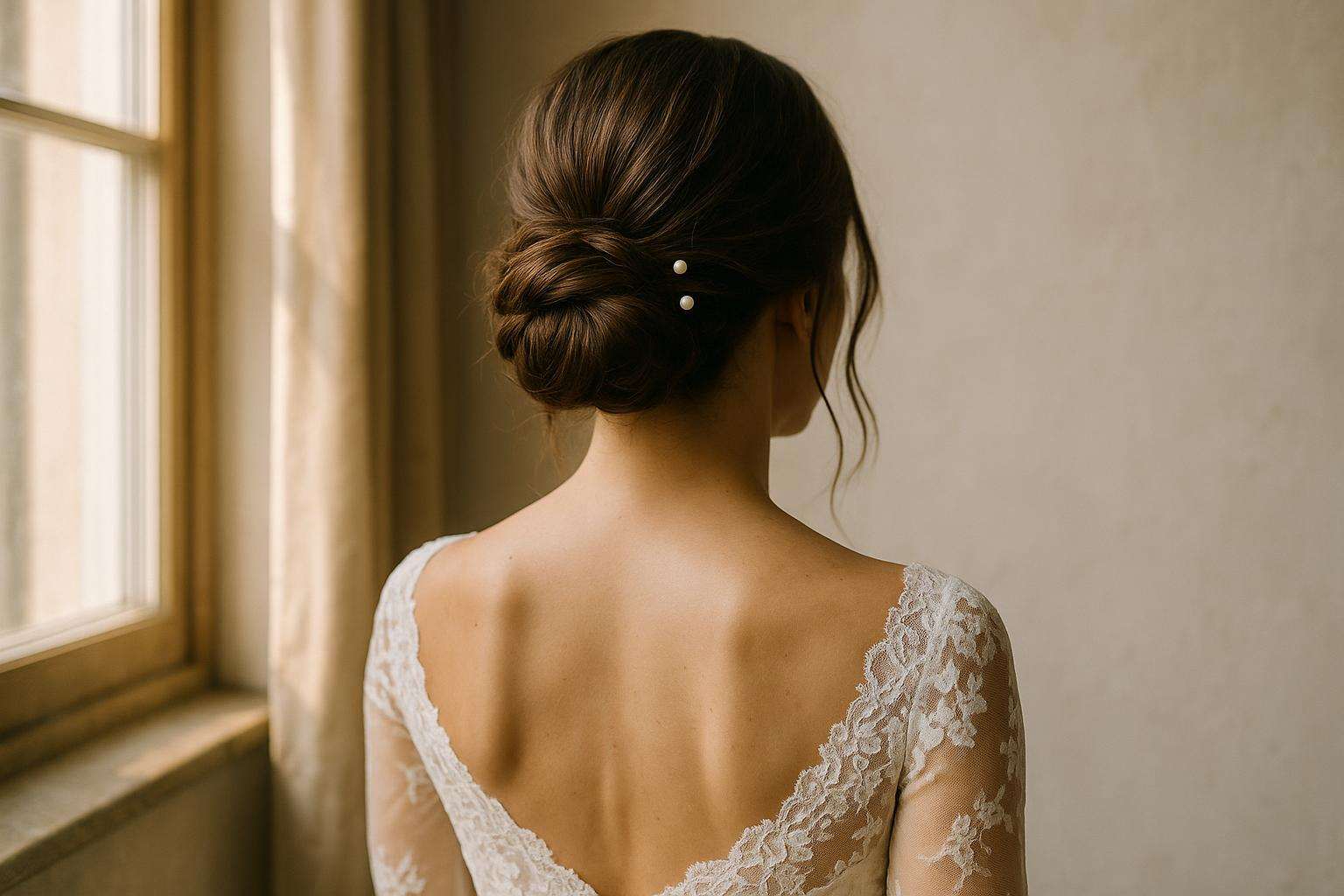
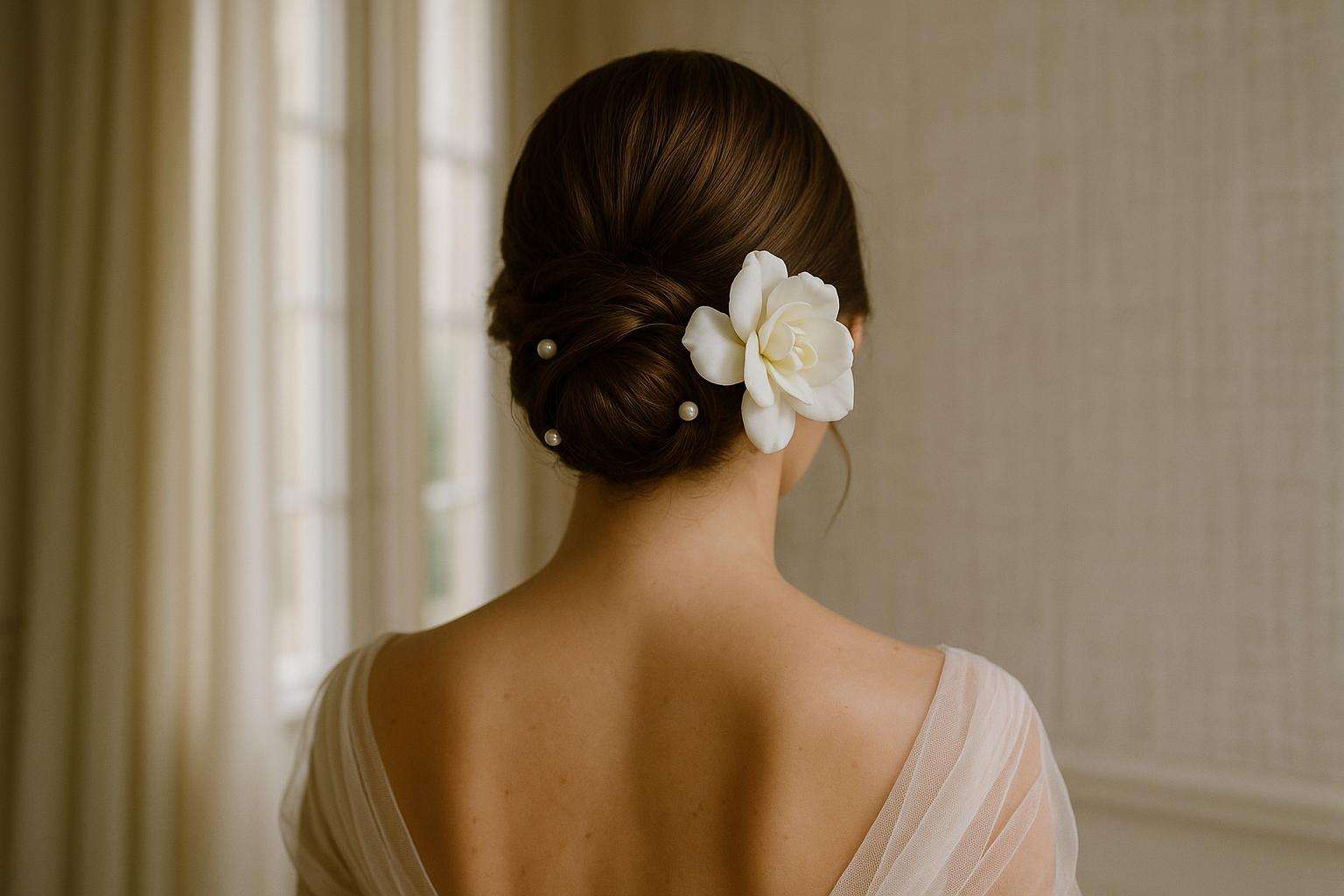
From the low chignon that dances through a June reception to the braided updo that laughs at August humidity, the right wedding hairstyle is the one that suits your face, your veil, and the hours ahead — not simply the image saved to your Pinterest board.
From a single Philips Zoom chair session to a three-week custom-tray regimen, the right whitening path depends on how much time you have, how sensitive your teeth are, and how many shades you want to gain — here is how to plan it without risking the day itself.
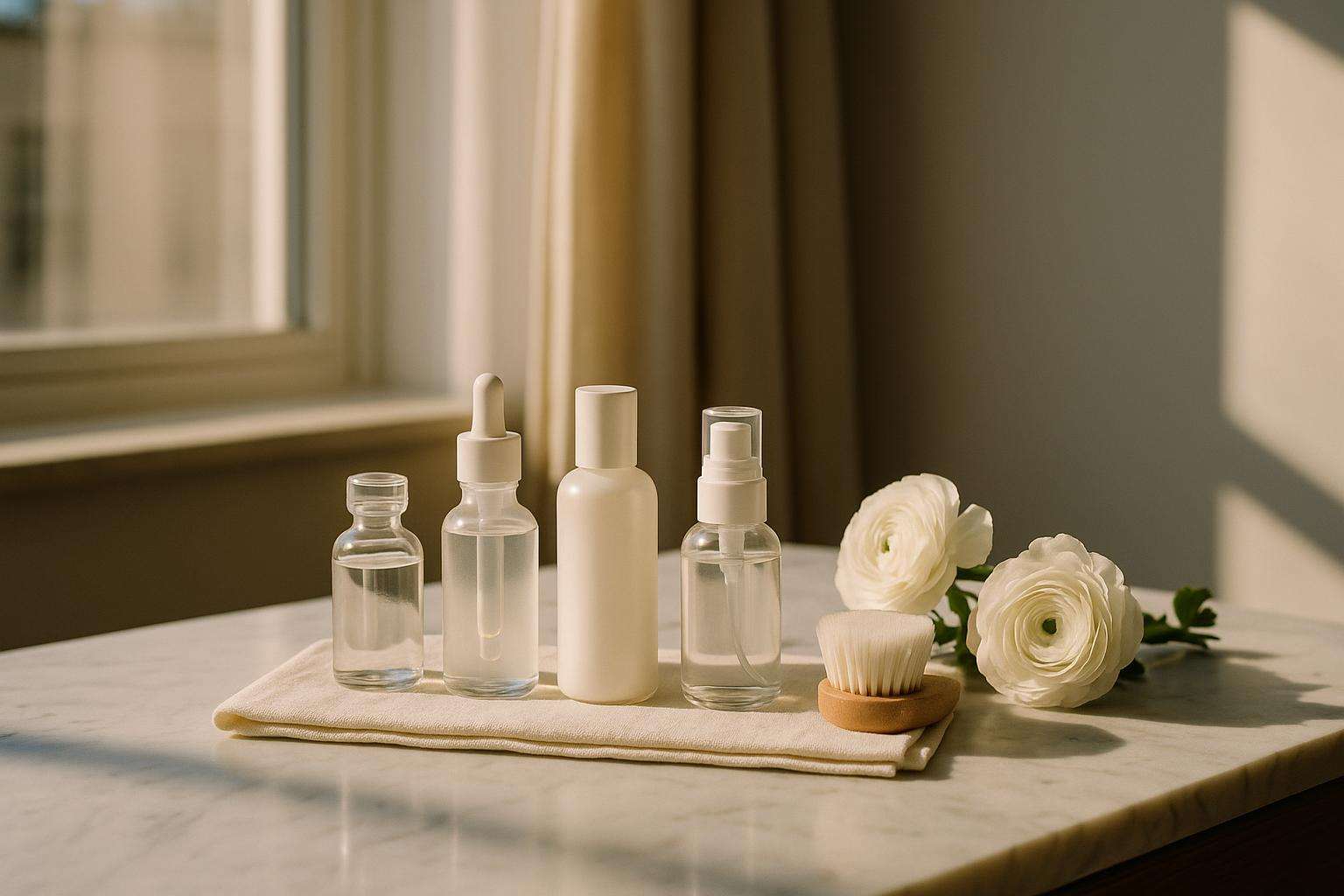
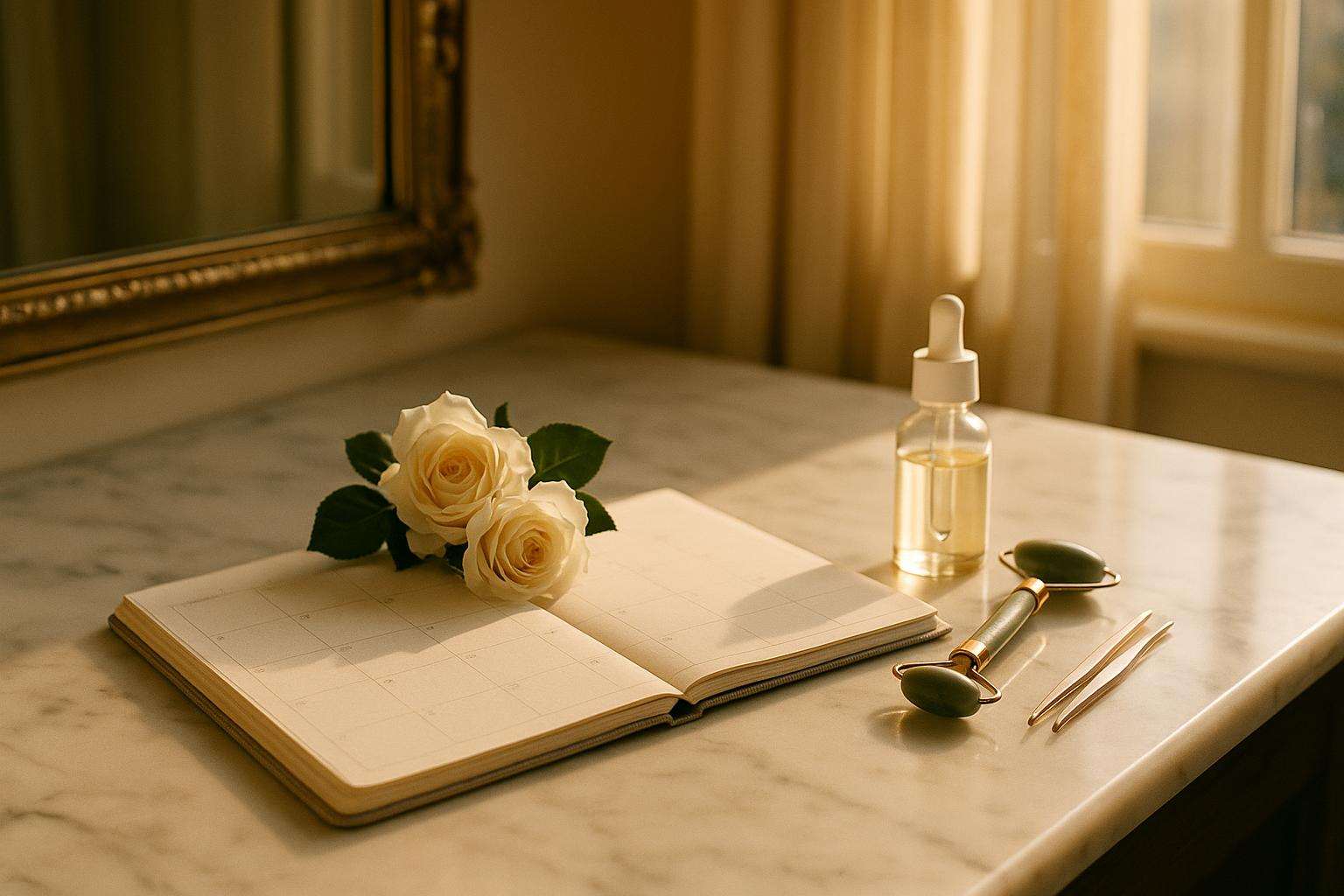
Month-by-month — when to start retinol and actives, when to schedule professional facials, and exactly when to stop trying anything new before the wedding.
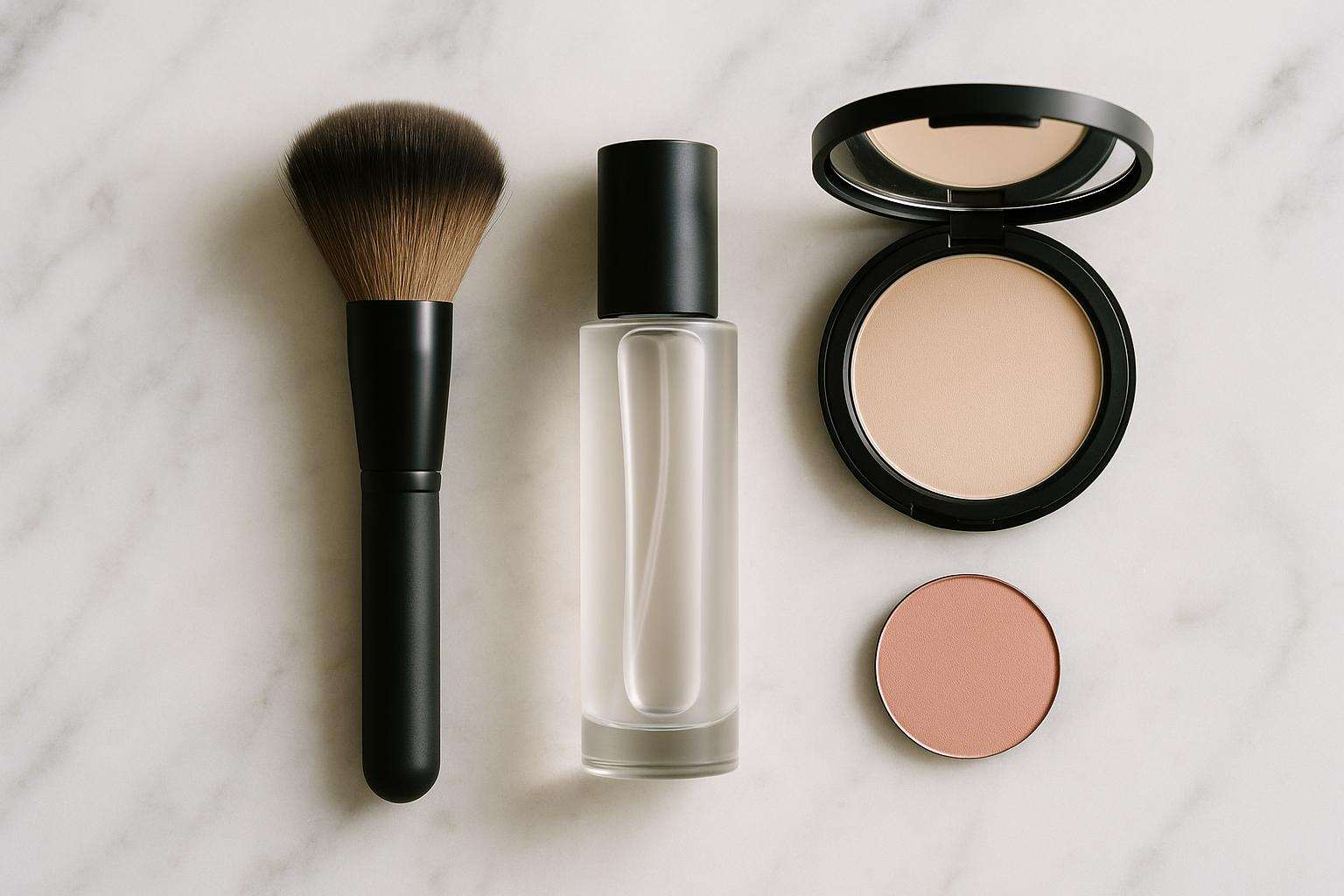
A wedding day runs 12–16 hours through ceremony light, flash photography, tears, and dancing. The makeup that survives all of it is built in layers — primer matched to your skin type, the right foundation technology, a triple-application of setting spray — then calibrated to your undertone.
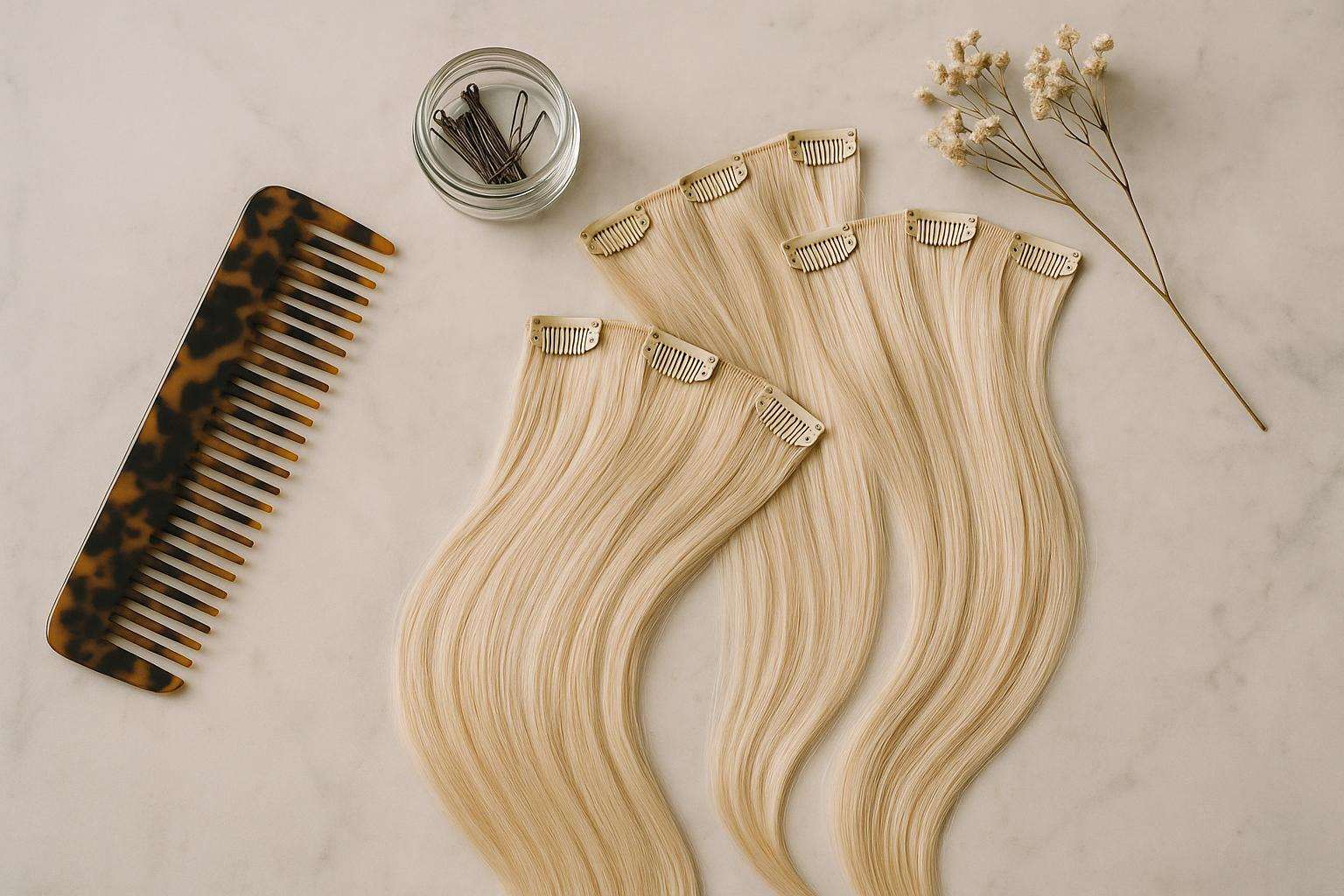
Clip-in, tape-in, halo, and fusion extensions each serve a different bride — from one-day volume to honeymoon-long wear. Timing the color match correctly and arriving at your hair trial with extensions already in hand are the two decisions that separate a seamless bridal look from a wedding-morning scramble.
The master countdown that sequences skin, hair, brows, teeth, nails, and tan into one collision-free schedule — with zero overlapping recovery windows and no last-minute surprises.
Schedule the trial four to six weeks before the wedding, ideally on a day you can photograph the result in natural light and wear it for a few hours to see how it lasts. Bring inspiration images, your veil or headpiece, and a top in a similar neckline to your gown so the look is judged in context.
Begin at least three months out, and ideally six. Skin renews slowly, and any new treatment or product needs time to prove it suits you. The week of the wedding is for gentle maintenance only — never the moment to try a new facial, extraction or peel.
Build on well-prepped, primed skin; choose long-wear, photograph-friendly formulas; set strategically with a fine powder; and keep a small kit for touch-ups. Waterproof mascara and a tear-resistant base earn their place. A skilled artist builds for longevity from the first layer rather than relying on setting spray alone.