The Wedding Dress
Boho Wedding Dress: Relaxed Romance for the Free-Spirit Bride
From Grace Loves Lace's ethical European lace to All Who Wander's graphic botanical silhouettes, this guide defines the bohemian bridal aesthetic — and shows exactly where to find yours.
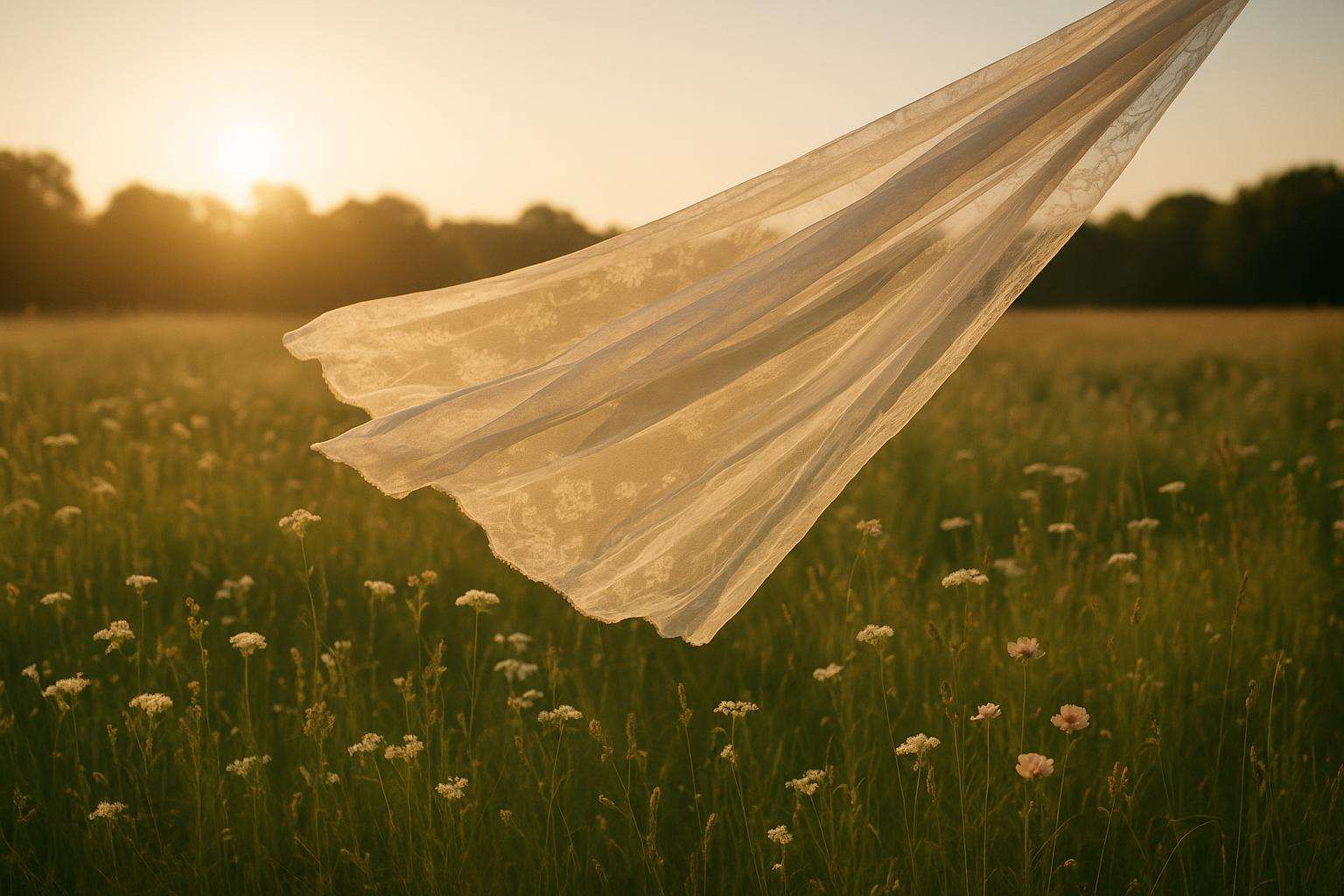
A boho wedding dress replaces traditional structure with flowing lace, open backs, and nature-inspired detail — bishop sleeves, crochet panels, fringe — in fabrics like chiffon and cotton lace. The category spans $278 at BHLDN to $4,250+ at Rue De Seine, with Grace Loves Lace and All Who Wander defining the aesthetic at its finest.
The bohemian bridal gown arrived at the mainstream conversation as a counter-movement to the heavily structured, crystal-encrusted silhouettes that dominated the early 2000s. By 2015 it had its own dedicated category at every major bridal market; by 2026 it is arguably the single largest style cluster in the wedding dress industry, spanning hand-knotted macramé artisan pieces made one at a time in California ateliers to mass-produced flutter-sleeve chiffon A-lines available for next-day shipping. What unites them is a shared vocabulary: softness, movement, and the visible textures of lace and natural fibre.
What Makes a Wedding Dress Truly Bohemian?
The boho aesthetic is defined less by a single silhouette than by a set of choices that collectively reject formality. Bodices are unstructured or only lightly boned — the emphasis is on drape, not architecture. Ornamentation comes from the fabric itself (botanical lace, crochet, embroidery) rather than applied embellishment like crystal beading. Backs are frequently the focal point: a deeply cut open back or a low-V with delicate button closures is a boho calling card in a way that a plunging neckline never quite is.
Four sub-styles have crystallised into distinct looks that bridal editors and boutique stylists now use as shorthand when helping brides identify their direction:
- Desert Boho: Tribal geometric lace, rich earth tones (terracotta, rust, champagne), suited to red-rock settings, ranch venues, and outdoor Southwest ceremonies.
- Woodland Ethereal: 3D floral appliqués, layered sheer fabrics, muted greens and ivory — built for forest clearings and garden ceremonies.
- Boho Beach: Spaghetti straps or halter necks, high slits, open backs, lightweight organza that moves in sea air.
- Rustic Barn: Cotton lace, muted ivory, off-shoulder necklines — the most approachable sub-style and the one most likely to be found at accessible price points.
Understanding which sub-style resonates with your venue and personal aesthetic is the first clarifying decision — it immediately narrows the designer shortlist and helps boutique stylists pull the right sample gowns.
What Fabrics Define the Bohemian Bridal Look?
Fabric choice is where a boho gown earns or loses its authenticity. The material vocabulary is specific and worth understanding before you begin shopping.
Lace is the defining textile, and not all lace reads identically. Fine Chantilly lace delivers delicate romantic florals with a soft, airy hand. Guipure (also called Venetian) lace offers bold, heavier geometric or nature motifs that read as graphic and modern. Crochet lace — hand- or machine-worked — conveys a handmade artisanal identity central to the boho ethos: it is the fabric most closely associated with Dreamers and Lovers, whose California atelier makes every gown in breathable cotton lace rather than synthetic alternatives.
Chiffon is the second most-used fabric across the category: weightless, semi-transparent, and ideally suited to outdoor ceremonies because it responds visibly to natural air movement. It is almost always layered over a silk or stretch-lining slip. Macramé — traditional hand-knotting — is the statement material for artisan-forward brides. It produces open geometric panels that function simultaneously as bodice ornamentation and decorative overlay; because of the craft involved, macramé gowns are typically made-to-order with production timelines of 14–16 weeks. Boutique label Alesia C. offers the BLOSSOM gown — a macramé floral lace A-line with a sweetheart neckline and Swarovski crystal spaghetti straps, made-to-measure in any color.
Rounding out the palette: soft matte tulle (less stiff than ballgown tulle, drapier), crepe for the minimalist boho bride who wants fluid structure without lace, and an emerging segment of eco-conscious fabrics — TENCEL™, linen blends, and organic cotton — that grew significantly in bridal market share between 2023 and 2025 as sustainability considerations entered the purchase conversation.
What Are the Signature Sleeve Styles on a Boho Gown in 2026?
Sleeves are having a definitional moment in boho bridal for 2025–2026, and the sleeve choice is often the single clearest signal of a gown's stylistic identity.
Bishop sleeves — full from shoulder to wrist, gathered into a fitted cuff — are the category's most recognisable sleeve. They reference 1970s vintage while remaining lightweight in sheer lace or organza. Bell sleeves flare gradually from the elbow and amplify movement in portraiture and ceremony walks. Prairie or cottagecore puff sleeves — short, gathered, worn with square or sweetheart necklines — deliver a 1940s country-romantic feeling and are especially prevalent in cotton-lace construction. Long sheer sleeves in lace or organza serve a dual function: they maintain the open, ethereal visual of a boho gown while satisfying modesty requirements for religious venues. Grace Loves Lace and All Who Wander both build long-sleeve silhouettes as anchor pieces in their core collections.
Which Designers Are Shaping the Boho Wedding Dress Category?
The category has a recognisable group of label leaders whose work sets the aesthetic benchmark every year.
Grace Loves Lace (Australia) operates 26 global boutiques across the USA, UK, Canada, and Australia and offers virtual styling appointments for remote brides. The brand's hallmark is ethically sourced European and Japanese laces — their signature Grace Eco Lace is described as "a perfect fusion of nostalgic charm and modern twist." Their iconic Inca Gown — a high-neck, low-back silhouette using layered French and Japanese cotton lace with handcut motifs — retails at approximately $2,700 USD and is one of the most recognised boho wedding gowns globally. Collections are structured into Ready-to-Wear, Made-to-Order, and Customisable tiers, spanning A Love Story (December 2025), The Founder Edit, Golden Girl, and La Crème.
All Who Wander, created by award-winning designer Martine Harris (also the creator of Martina Liana), is distributed via Essense Designs and focuses on graphic botanical laces, 1970s-inflected silhouettes, retro-inspired fringe, and striking cutouts. The 2026 collection spans A-line, mermaid, sheath, and ballgown silhouettes with off-the-shoulder, square, sweetheart, and V-neckline options. Retail pricing from authorised boutiques — including True Society Bridal and The Bridal Collection in Denver — ranges from approximately $1,599 to $3,655 depending on style and location.
Rue De Seine (New Zealand) is the benchmark label for destination-inspired boho. Their Moonrise Canyon Collection drew on the American Southwest — shooting at Antelope Canyon, Valley of Fire, and Horseshoe Bend — producing 22 gowns mixing cascading fringe, romantic embroidery, and western appliqués, priced from approximately $2,950 (Presley Gown) to $4,250 (Monterey Gown). Rue De Seine recommends ordering 10 or more months before the wedding date, as standard production runs 16–24 weeks. Authorised carriers have included Lovely Bride, Swoon Bridal, and Moondance Bridal.
Dreamers and Lovers, a California-born direct-to-bride label founded by Yanique Barnes in 2012, makes every gown by hand at their Torrance, CA atelier using breathable cotton laces. Their home try-on program ships three gowns for $65 (credited toward purchase). Popular styles include the Violetta Backless Lace Dress (geometric lace, open diamond back, long sleeves) and the Wren (hand-sewn leaf lace appliqués, open back), priced at approximately $1,785–$2,600.
BHLDN (Anthropologie's bridal line) is the mass-accessible anchor of the category, with 68+ gowns in its Boho Bride edit priced from $278 to $3,597. Labels stocked through BHLDN include Willowby by Watters, Daughters of Simone, RISH, and SAU LEE, with sizing extending to size 26 for approximately half of styles — making it one of the most size-inclusive boho retailers in the US.
How Much Does a Boho Wedding Dress Cost — and Where Can You Buy One?
| Retailer | Shopping Format | Boho Price Range | Notable Features |
|---|---|---|---|
| BHLDN / Anthropologie | Online + flagship stores | $278–$3,597 | 68+ boho styles; sizing to 26; Willowby by Watters, SAU LEE stocked |
| Grace Loves Lace | 26 boutiques + virtual appointments | ~$1,800–$3,500+ | Ethical European and Japanese laces; RTW, MTO, and Custom tiers |
| True Society Bridal | Multi-location US boutiques | $1,500–$3,500+ | Signature All Who Wander carrier; accessories available |
| Kleinfeld Bridal | In-store appointment, New York | $1,500–$5,000+ | 70+ year institution; full accessories and alterations suite |
| Dreamers and Lovers | Online + LA showrooms | $1,785–$2,600 | US-made; home try-on program ($65, credited); Torrance and Venice Beach |
| Rue De Seine (via carriers) | Authorised boutiques + trunk shows | $2,950–$4,250+ | Lovely Bride, Swoon Bridal, Moondance Bridal; 16–24 wk production |
| Stillwhite / Nearly Newlywed | Pre-owned online resale | 30–70% off retail | Authenticated gowns from Grace Loves Lace, BHLDN, Rue De Seine |
The boho wedding dress market is one of the widest-ranging in all of bridal by price — the same aesthetic can be achieved for under $400 or over $4,000 depending on the label, fabric origin, and production method. The clearest predictor of price is whether the gown is mass-produced (BHLDN), made-to-order by a mid-scale atelier (All Who Wander, Grace Loves Lace), or produced entirely by hand in small runs (Dreamers and Lovers, Alesia C.). Budget accordingly: hand-production and ethically sourced laces command a premium, but they also mean fewer brides arrive at the same venue in the same gown.
For brides working with a tighter budget, pre-owned platforms Stillwhite and Nearly Newlywed consistently carry authenticated gowns from Grace Loves Lace, BHLDN, and occasionally Rue De Seine at 30–70 per cent off original retail. Given that boho gowns are built on fabric and lace quality rather than structured corsetry, they tend to hold their condition exceptionally well in resale — making pre-owned a legitimate and increasingly popular route.
Whichever direction you choose, order earlier than you think you need to. Even ready-to-wear boho labels require 4–6 weeks for delivery and basic alterations; made-to-order production at labels like Rue De Seine runs 16–24 weeks; macramé artisan gowns can run 14–16 weeks from measurement to ship. The standard advice across the industry is to begin shopping no later than 10–12 months before your wedding date — and to factor in at least two fitting appointments after the gown arrives.
Considered Counsel
Frequently asked
What makes a wedding dress 'boho'?
A boho wedding dress trades traditional structure for freedom: unstructured or lightly boned bodices, flowing silhouettes (A-line, sheath, empire), and nature-inspired ornamentation rather than stiff corseting. Key visual markers include graphic or botanical lace, open or low backs, bell or bishop sleeves, fringe, crochet panels, and fabrics that catch light and movement — chiffon, soft tulle, cotton lace, and macramé. The aesthetic blends 1970s California ease with modern minimalism, prioritising individual expression over formality. Sub-styles span Desert Boho (tribal geometric lace, earth tones), Woodland Ethereal (3D floral appliqués, layered sheers), Boho Beach (open backs, lightweight organza), and Rustic Barn (muted ivory, off-shoulder cotton lace).
What fabrics are most common in bohemian wedding dresses?
Lace leads the category by volume — Chantilly lace for delicate romantic florals, Guipure (Venetian) lace for bold geometric motifs, and crochet lace for a handmade artisanal identity. Chiffon is the second most-used fabric: airy, weightless, and ideal for outdoor ceremonies because it moves visibly in natural air, often layered over a silk or stretch-lining slip. Macramé is the statement material for artisan-forward brides — traditional hand-knotting produces open geometric panels that function simultaneously as bodice and veil detail. Soft matte tulle, crepe, and eco-conscious materials including TENCEL™ and organic cotton linen blends round out the palette.
How much does a boho wedding dress cost in 2026?
The range is wide. At the accessible end, BHLDN (Anthropologie's bridal line) offers boho gowns from approximately $278 — including flutter-sleeve chiffon A-lines and removable-sleeve lace styles — up to around $3,597 for designer labels stocked through their platform. Mid-market labels such as All Who Wander (via authorised boutiques) run $1,599–$3,655, while Dreamers and Lovers, which makes every gown by hand in California, prices between $1,785 and $2,600. At the premium end, Grace Loves Lace's iconic Inca Gown retails at approximately $2,700, and Rue De Seine's Moonrise Canyon collection spans $2,950 to $4,250. Pre-owned platforms like Stillwhite and Nearly Newlywed offer authenticated gowns from these same labels at 30–70 per cent off retail.
What are bishop sleeves and why do they appear on so many boho gowns?
Bishop sleeves are full from the shoulder to the wrist and gathered into a fitted cuff, referencing 1970s vintage silhouettes while keeping the overall look lightweight when cut in sheer lace or organza. They are the clearest single identifier of the boho sleeve family, alongside bell sleeves (which flare from the elbow) and prairie puff sleeves (short, gathered, often paired with square necklines). For the 2025–2026 bridal season, bishop and long sheer sleeves have become anchor pieces at labels such as All Who Wander and Grace Loves Lace — they also serve a practical function, satisfying modesty requirements for religious ceremonies without sacrificing the open, ethereal aesthetic of a boho gown.
Which designers are considered the best for boho wedding dresses?
Grace Loves Lace (Australia, 26 global boutiques) and All Who Wander (under designer Martine Harris, distributed via Essense Designs) are the two most consistently cited category leaders. Rue De Seine (New Zealand) owns the destination-boho niche, with collections photographed at Antelope Canyon and the Valley of Fire. Dreamers and Lovers (Torrance, California) is the standard-bearer for handmade US-atelier production with a home try-on program. BHLDN brings the aesthetic to mass-accessible price points. For artisan macramé specifically, boutique label Alesia C. produces made-to-order pieces. Kleinfeld Bridal in New York and True Society Bridal carry curated boho edits from multiple labels for brides who prefer in-person styling appointments.
Where can I try on a boho wedding dress near me?
Appointment-based boutiques are the most effective route for finding a boho gown in person. True Society Bridal carries All Who Wander as a signature label across multiple US locations. Kleinfeld Bridal (New York) stocks a curated bohemian category alongside accessories styling. Grace Loves Lace operates 26 boutiques in the US, UK, Canada, and Australia, and offers virtual styling appointments for remote brides. Authorized Rue De Seine stockists have included Lovely Bride (multi-city), Swoon Bridal, and Moondance Bridal, which periodically hosts trunk shows. In California, Dreamers and Lovers maintains showrooms in Torrance and Venice Beach. Searching each designer's official store-locator page will return currently active boutique partners in your region.